Caminos de Santiago

  • Vía Jacobi

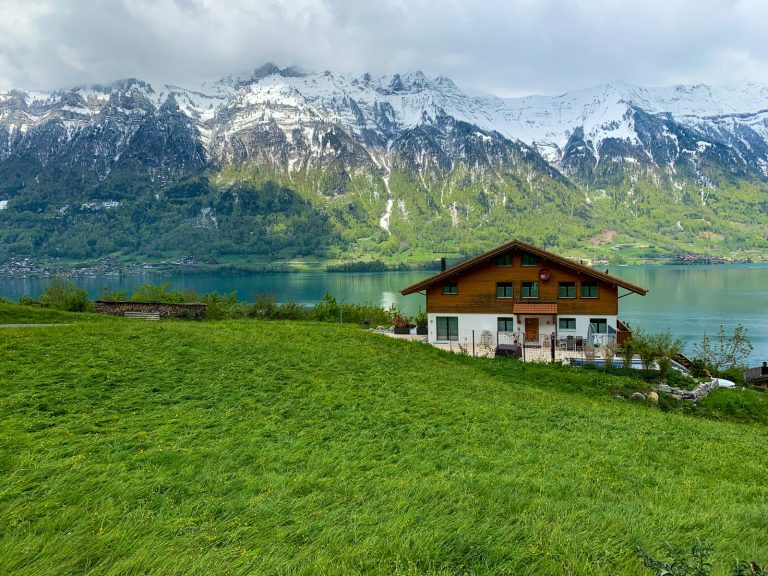
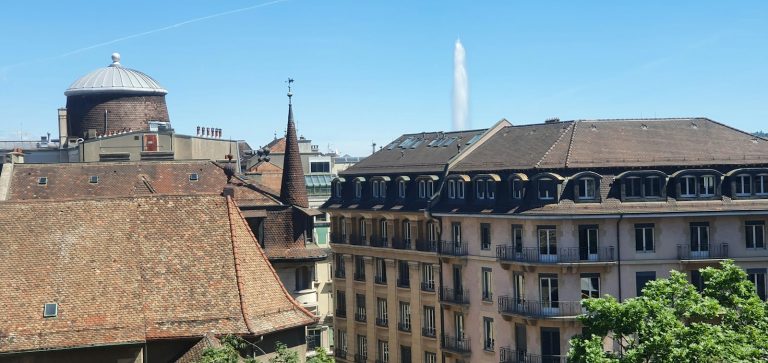
    The Vía Jacobi is the Swiss Camino de Santiago: it leaves Konstanz, on Lake Constance, and crosses Switzerland via Einsiedeln, Lake Lucerne, Flüeli-Ranft, Interlaken, Fribourg and Lausanne to Geneva, where it links with the Vía Gebennensis. It covers 429.1 km in 21 stages, and about 2,285 km to Santiago. It is a route of lakes…
  • Vía Gebennensis

    The Vía Gebennensis, or the GR 65 from Geneva, links Switzerland with the Camino de Le Puy: it leaves Geneva, crosses Haute-Savoie and the Rhône and reaches Le Puy-en-Velay via the Pilat massif and the Velay. It covers 348.5 km in 16 stages, and about 1,856 km to Santiago continuing via Le Puy and the…

  • Camino de Vézelay

    The Camino de Vézelay, the Via Lemovicensis, leaves the basilica of La Madeleine in Vézelay, in Burgundy, and crosses central France via Bourges, Limoges and Périgueux to Bergerac and Gascony, where it joins the Camino de Le Puy at Montréal-du-Gers. It covers 767.1 km in 31 stages, and about 1,757 km to Santiago. It has…

  • Camino de Tours

    The Camino de Tours, the Via Turonensis, leaves Paris and heads south via Orléans and the Loire valley to Tours, Poitiers, Saintes and Bordeaux, crosses the Landes and reaches Ostabat, where it joins the Camino de Le Puy before Saint-Jean-Pied-de-Port. It covers 917.1 km in 36 stages, and about 1,702 km to Santiago. It is…

  • Camino del Piamonte

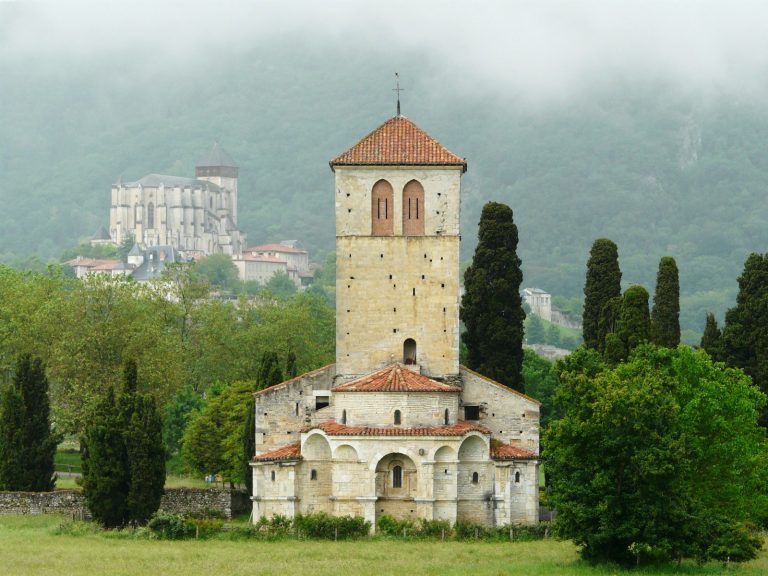
    The Pyrenean Camino del Piamonte (Piedmont Way) leaves Carcassonne and runs along the foot of the French Pyrenees via Mirepoix, Saint-Lizier, Saint-Bertrand-de-Comminges and Lourdes to Saint-Jean-Pied-de-Port, where the Camino Francés begins. It covers 500 km in 22 stages, and about 1,263 km to Santiago. It is a mid-mountain route, with views of the Pyrenees all…

  • Camino de Arles

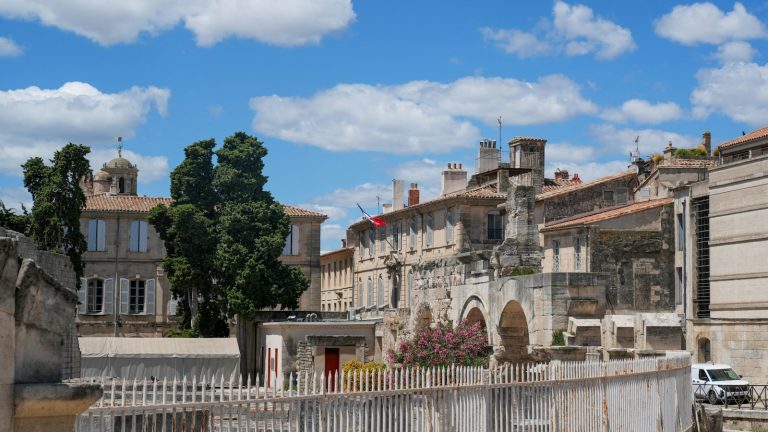
    The Camino de Arles, the Via Tolosana or GR 653, leaves Arles, in Provence, crosses the Languedoc via Montpellier, Saint-Guilhem-le-Désert and Castres, passes through Toulouse and Auch and climbs the Aspe valley to the Somport pass, where the Camino Aragonés begins. It covers 782.3 km in 33 stages, and about 1,618 km to Santiago. It…

  • Camino de Le Puy

    The Camino de Le Puy, the Via Podiensis or GR 65, is the most walked of the French routes: it leaves Le Puy-en-Velay, crosses the Aubrac, the Lot valley, Conques, Cahors, Moissac and Gascony to Saint-Jean-Pied-de-Port, where the Camino Francés begins. It covers 744.6 km in 29 stages, and about 1,508 km to Santiago. Several…

  • Camino de Muros-Noia

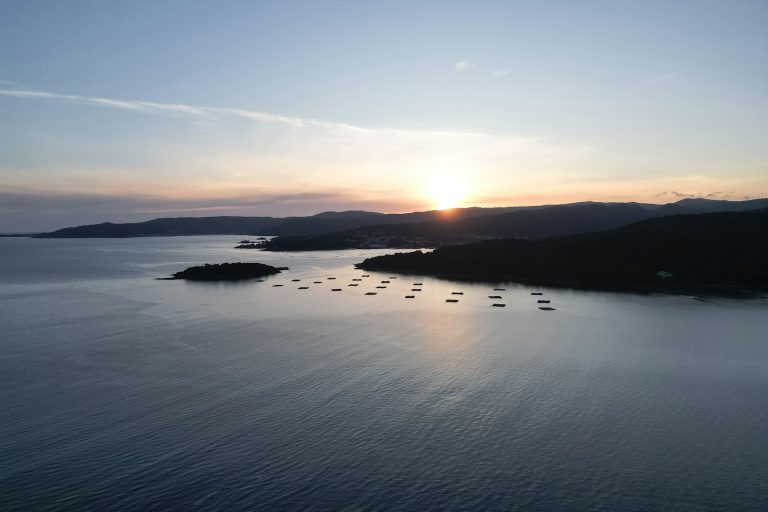
    The Camino de Muros-Noia, or Camino de la Ría de Muros e Noia, is the Camino de Santiago that leaves the coast at Muros, rounds the estuary via Outes and Noia and climbs via Lousame and Brión to Santiago de Compostela. It covers 79.2 km in 4 stages, with a variant starting from Porto do…

  • Camino Zamorano Portugués

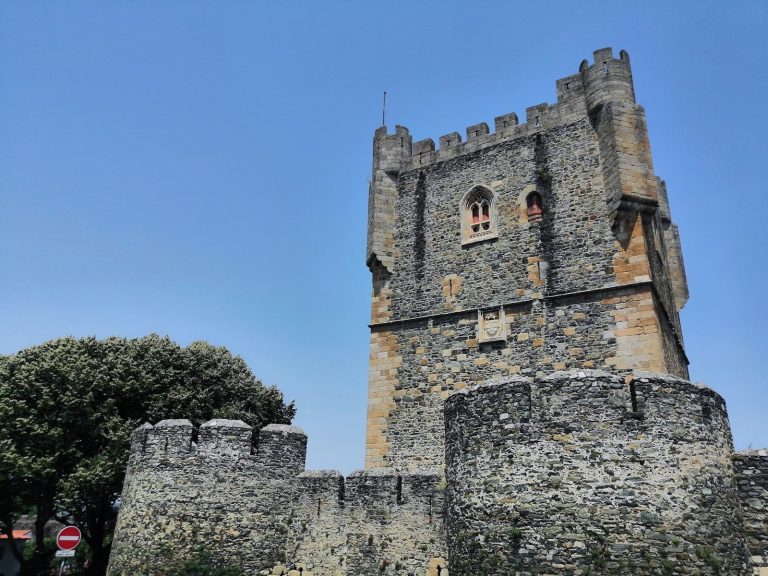
    The Camino Zamorano Portugués leaves Zamora, on the Vía de la Plata, crosses the lands of Alba and Aliste to the border, goes through Trás-os-Montes via Bragança and Vinhais and returns to Spain at Verín, where it links with the Camino Sanabrés. It covers 214.5 km in 9 stages, and about 398 km to Santiago….

  • Camino Portugués Interior

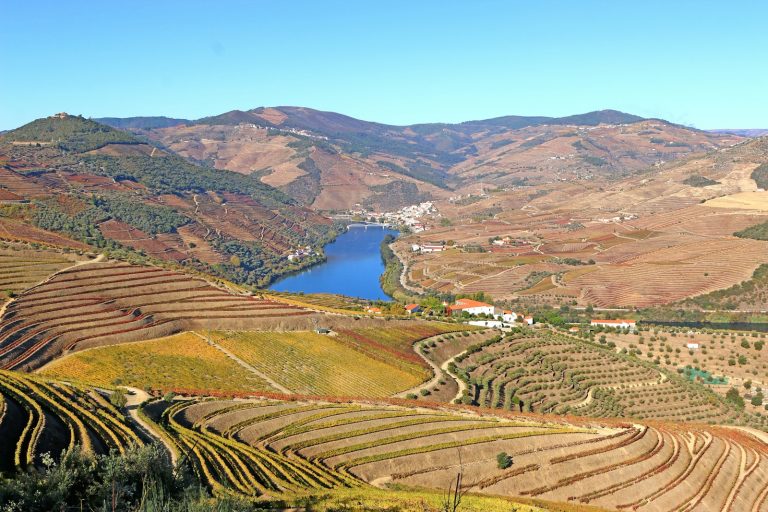
    The Camino Portugués Interior (Portuguese Inland Way) leaves Coimbra and heads north through inland Portugal, Viseu, Lamego, the Douro valley, Vila Real and Chaves, until it crosses the border at Verín, where it links with the Camino Sanabrés. It covers 320.1 km in 14 stages, and about 504 km to Santiago. It is far less…